

 The current pandemic has highlighted and exacerbated the spread of uncontrolled beliefs, ranging from the acceptance of theses devoid of any evidence to the elaboration of complex conspiracy theories. However, this is not new: for example, the crisis caused by the Black Death that swept through Europe in the mid-14th century led to particularly violent acts of persecution against Jewish communities, accused of being behind the spread of the disease. The Middle Ages thus provide a far-reaching historical precedent for looking at what is happening in our time from a different perspective, i.e. starting from the question: is it rationally acceptable and morally legitimate to believe in something in the absence of sufficient cognitive foundations for doing so? It was precisely in the Middle Ages that sophisticated discussions took place on the epistemic and moral status of beliefs, their truth-value, and the role that the volitional component assumes in appropriating and upholding them. The project intends to address this cluster of issues, and to show that it is worthwhile to relate medieval discussions to modern and contemporary ones. It comprises four research axes:
A. Certitudo/Fides. An archaeology of the opposition between epistemic evidentialism and doxastic voluntarism;
B. Ratio/Voluntas. Intellect and will in the explanation of moral agency;
C. Scientia/Opinio. The historical redefinition of the boundaries between science and opinion.
D. Consuetudo/Renovatio. The role of custom and fear of novelty in the formation of beliefs and conspiracy theories.
ArCoTh is, to its core, interdisciplinary and cross-chronological. Its basic methodological assumption is that one should not seek a linear continuity between past and present. Rather, only an accurate, philological examination of the differences and discontinuities between one and the other can offer fresh and less obvious perspectives for interpreting current phenomena.
Start date: 1 November 2024
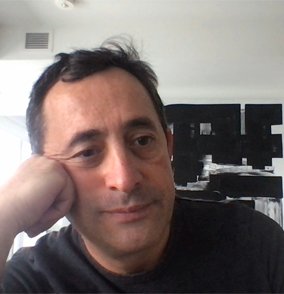
Pasquale Porro
pasquale.porro@unimi.itThe current pandemic has highlighted and exacerbated the spread of uncontrolled beliefs, ranging from the acceptance of theses devoid of any evidence to the elaboration of complex conspiracy theories. However, this is not new: for example, the crisis caused by the Black Death that swept through Europe in the mid-14th century led to particularly violent acts of persecution against Jewish communities, accused of being behind the spread of the disease. The Middle Ages thus provide a far-reaching historical precedent for looking at what is happening in our time from a different perspective, i.e. starting from the question: is it rationally acceptable and morally legitimate to believe in something in the absence of sufficient cognitive foundations for doing so? It was precisely in the Middle Ages that sophisticated discussions took place on the epistemic and moral status of beliefs, their truth-value, and the role that the volitional component assumes in appropriating and upholding them. The project intends to address this cluster of issues, and to show that it is worthwhile to relate medieval discussions to modern and contemporary ones. It comprises four research axes:
A. Certitudo/Fides. An archaeology of the opposition between epistemic evidentialism and doxastic voluntarism;
B. Ratio/Voluntas. Intellect and will in the explanation of moral agency;
C. Scientia/Opinio. The historical redefinition of the boundaries between science and opinion.
D. Consuetudo/Renovatio. The role of custom and fear of novelty in the formation of beliefs and conspiracy theories.
ArCoTh is, to its core, interdisciplinary and cross-chronological. Its basic methodological assumption is that one should not seek a linear continuity between past and present. Rather, only an accurate, philological examination of the differences and discontinuities between one and the other can offer fresh and less obvious perspectives for interpreting current phenomena.
Start date: 1 November 2024
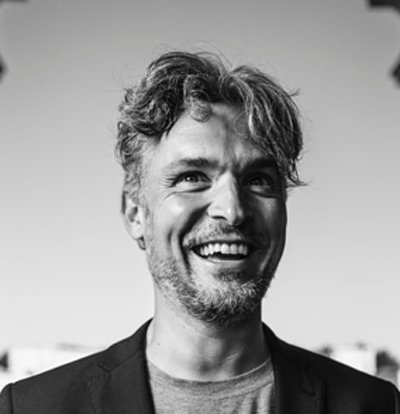
Federico Canaccini
f.canaccini@lumsa.it
Maria Evelina Malgieri
mariaevelina.malgieri@unito.it